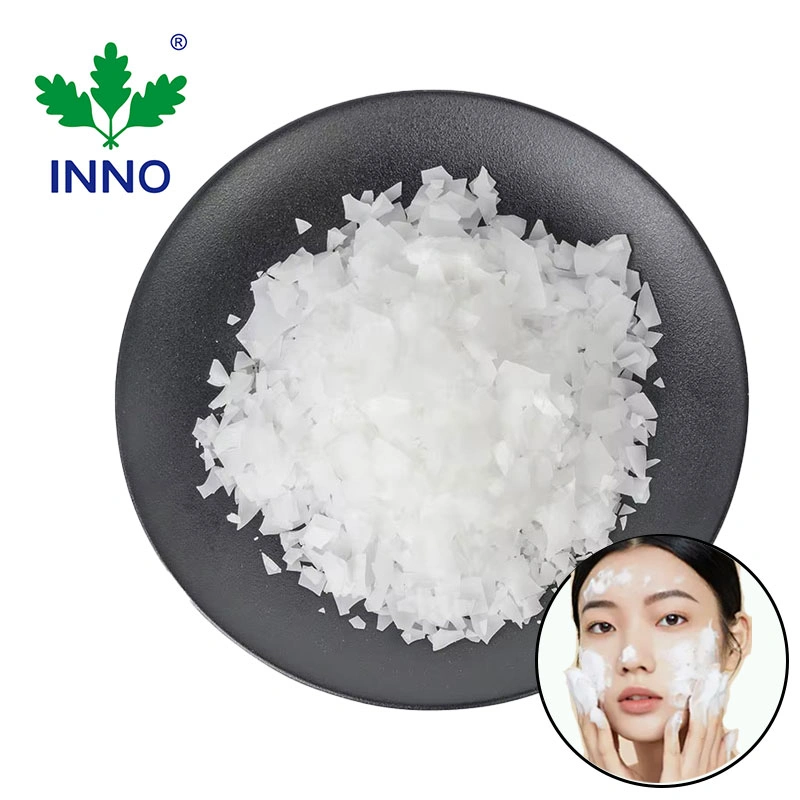
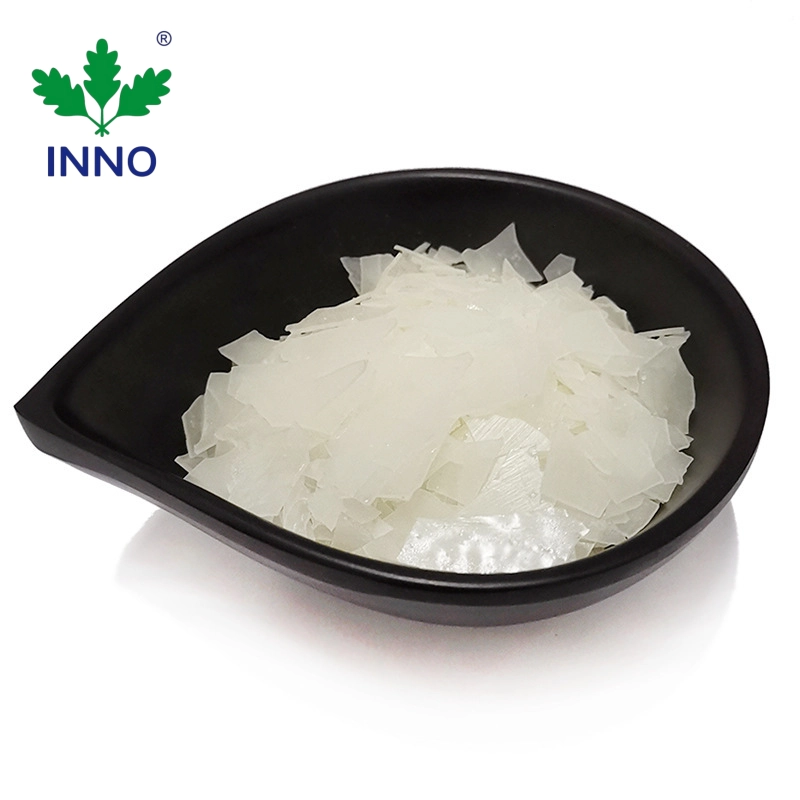
We supply PEG-120 Methyl Glucose Dioleate as INNO KWDOE-120, a cosmetic-grade nonionic surfactant-system thickener and flow modifier.
Key Benefits of PEG-120 Methyl Glucose Dioleate (KWDOE-120)
- KWDOE-120 provides efficient viscosity and rheology control in liquid cleansing systems. It helps build the smooth, controlled flow required for facial gels, shampoos and body washes.
- The dioleate grade increases body without suppressing foam. This lets formulators improve dispensing and product texture while keeping the original surfactant performance.
- It is compatible with anionic, amphoteric and nonionic surfactants. The broad compatibility makes it useful when the cleansing base contains several surfactant types.
- KWDOE-120 has a mild profile and can soften the irritation of a stronger surfactant blend. It is suitable for formulas where viscosity and skin feel must be improved together.
- The finished product has a smooth texture without uneven gel formation. This helps avoid stringiness and patchy thickening during production and storage.
Recommended applications
- KWDOE-120 fits facial-cleansing gels and wash creams that need smooth rheology and reliable dispensing without a loss of foam.
- Use it in shampoo, body wash and hand wash to build viscosity across anionic, amphoteric and nonionic surfactant blends.
- It supports mild baby-shampoo concepts where the thickener should improve texture without adding a harsh or heavy skin feel.
- The grade is also useful in cleansing products that must avoid stringiness, uneven gel formation or an overly rigid salt-thickened structure.
Formulation and commercial details
| Grade | Cosmetic Grade |
|---|---|
| Packaging | 25 kg cardboard drum |
| Gross weight | 27.9 kg |
| Packing dimensions | Ø38xH49.5cm |
| How to use | Melt or dissolve the flakes completely before setting viscosity. Check the final clarity, foam and flow after adding fragrance, electrolyte and the preservation system. |
| Compatibility | Use it in the complete surfactant or emulsion system and set the final viscosity, clarity and stability after all ingredients are present. |
Choosing between related INNO products
KWDOE-120 is the dioleate thickener. KWDOE-120S is the trioleate option for surfactant systems that require a different thickening response.
Frequently asked questions
Can KWDOE-120 replace the trioleate grade at the same percentage?
No one-for-one conversion should be assumed. Start from equal test increments in the customer’s complete base and compare stabilized viscosity, flow, clarity and foam before selecting the more efficient route.
Why can the same KWDOE-120 addition give different viscosity in two similar cleanser bases?
A small change in surfactant ratio, active matter, electrolyte, fragrance or temperature history can alter the micelle network. Compare the bases on equal active solids and follow the same addition and equilibration sequence before judging thickener efficiency.
What causes uneven gel texture or stringiness during a KWDOE-120 trial?
Common causes are poor dispersion, an unbalanced surfactant ratio or adding the thickener before the base is uniform. Add it through a controlled sequence, allow full mixing, and judge the flow after the batch has equilibrated.
Which viscosity reading should be used to set a release specification for KWDOE-120?
Use a defined spindle, speed, temperature and equilibration time that reflects the stabilized batch. Correlate the laboratory reading with dispensing and filling behavior before fixing the release range.
Why work with INNO?
Our application team supports rheology and foam comparisons in the customer’s actual cleansing base. INNO also provides the documents required for vendor approval.