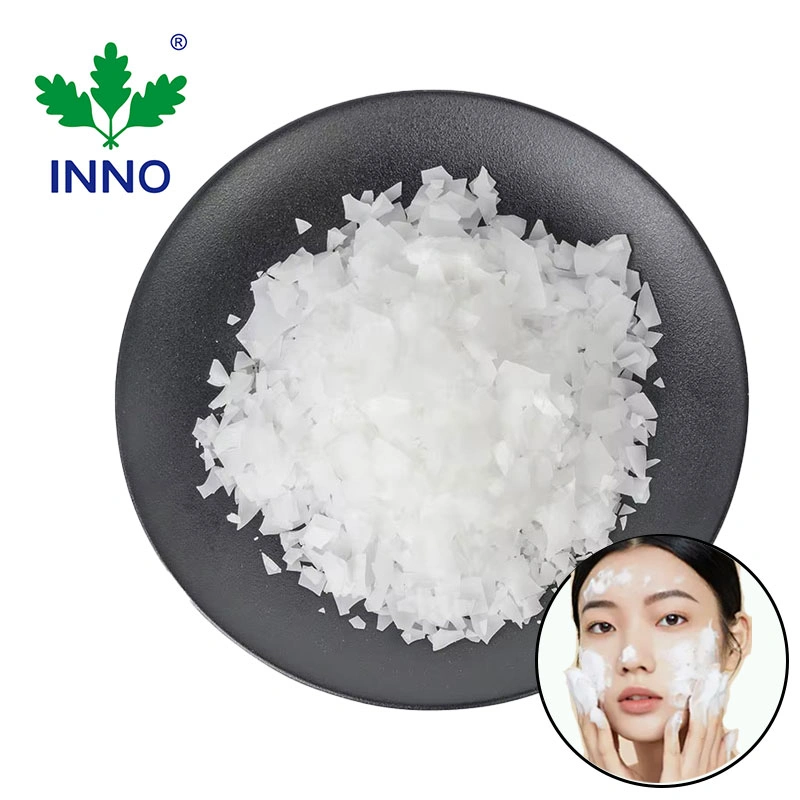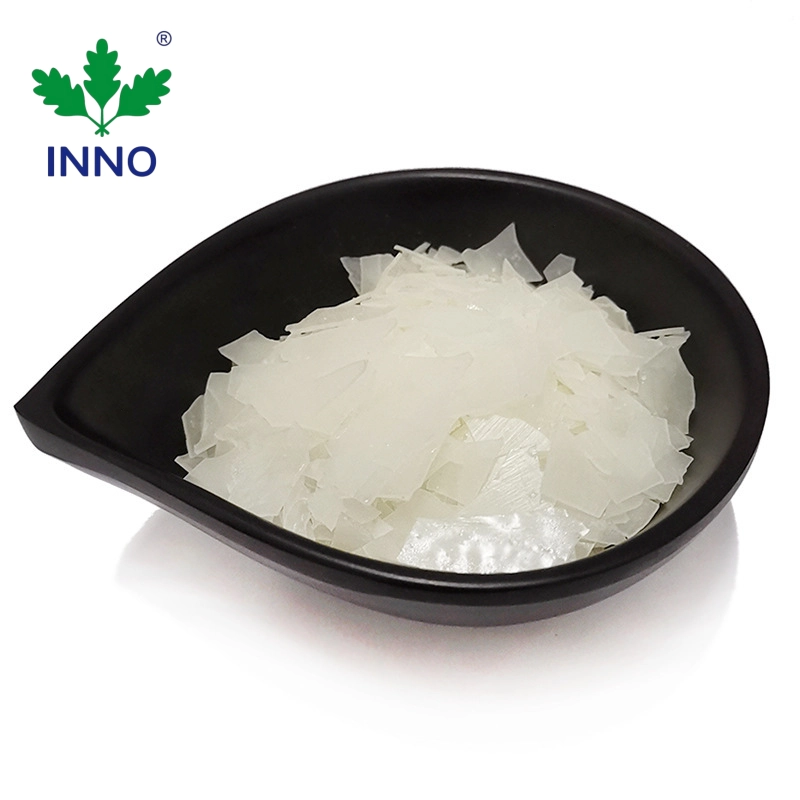
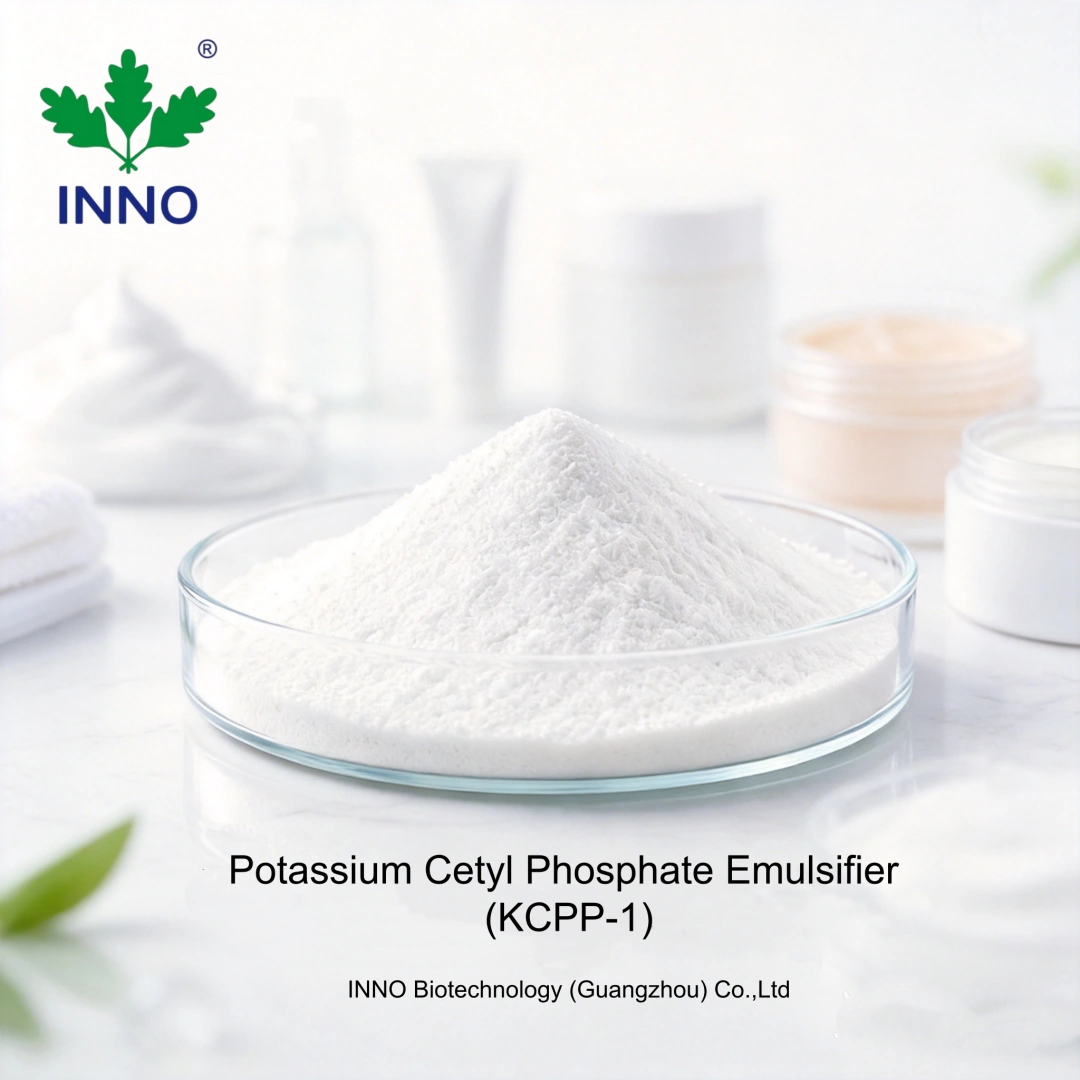
We supply Potassium Cetyl Phosphate emulsifier as INNO KCPP-1, a cosmetic-grade anionic O/W emulsifier and structure-support ingredient.
Key Benefits of Potassium Cetyl Phosphate Emulsifier (KCPP-1)
- KCPP-1 is a plant-derived, PEG-free liquid-crystal oil-in-water emulsifier. It builds stable emulsions and maintains structure during heat exposure and normal product storage.
- In sunscreen, foundation and other water-resistant products, it emulsifies and disperses oil phases while helping the finished film resist wash-off. It is suitable for both skin care and color cosmetics.
- In amino-acid cleansing pastes, body wash, shampoo and conditioner, KCPP-1 improves structure and firmness. It also softens the dry rinse feel that can occur in concentrated cleansing systems.
- The commercial grade includes a dipotassium phosphate buffer. This helps reduce pH drift during storage and supports better consistency between development batches and repeat production.
- KCPP-1 combines emulsification, surfactant support and rheology modification. This makes it useful when a formula needs both a stable emulsion and a controlled, premium texture.
Recommended applications
- Use KCPP-1 in sunscreen and water-resistant foundation to emulsify and disperse oil phases while helping the finished film withstand wash-off.
- It fits cream, lotion and hand cream that need an oil-in-water liquid-crystal structure with good heat and storage stability.
- In amino-acid cleansing pastes, the grade improves firmness, structure and rinse comfort without relying only on conventional wax thickeners.
- KCPP-1 can also be used in shampoo, conditioner and body wash when the formula needs emulsification, texture control and a stable pH profile.
Formulation and commercial details
| Grade | Cosmetic Grade |
|---|---|
| Packaging | 25 kg cardboard drum |
| Gross weight | 28.0 kg |
| Packing dimensions | Ø38.5xH51cm |
| How to use | Disperse KCPP-1 completely, then set the final pH and electrolyte level. Run emulsion stability testing after all oil-phase materials and active ingredients have been added. |
| Compatibility | Use it in the complete surfactant or emulsion system and set the final viscosity, clarity and stability after all ingredients are present. |
Choosing between related INNO products
KCPP-1 is the phosphate emulsifier for structured O/W systems. KWM68A is the Cetearyl Alcohol and Cetearyl Glucoside blend for lamellar creams and lotions.
Frequently asked questions
A KCPP-1 sunscreen looks stable on day one but separates during storage. What should be investigated?
The initial viscosity may hide incomplete UV-filter dispersion, an unbalanced oil phase or insufficient emulsion structure. Review phase temperatures, neutralization, homogenization and cooling before raising the emulsifier level
How should KCPP-1 be stress-tested with electrolytes or a demanding active package?
Build the trial with the complete oil phase, active package and electrolyte load, then monitor viscosity, pH drift, separation and recovery through stability testing. The buffer in the commercial grade supports consistency, but the finished system still determines the result.
Can KCPP-1 replace a nonionic emulsifier one for one?
No. KCPP-1 is an anionic phosphate emulsifier with its own phase and pH requirements. Rebuild the emulsifier system around the oil phase and active package rather than copying the percentage from a nonionic benchmark.
What can cause pH drift in a KCPP-1 emulsion during storage?
Review neutralization, acidic or alkaline actives, electrolyte additions and the water-phase buffer balance. Track pH with viscosity and separation because a stable-looking emulsion can still be moving chemically.
How should water-resistance work be separated from SPF substantiation in a KCPP-1 sunscreen?
Use film and wash-off testing to optimize the emulsion, but confirm SPF and water-resistance claims with the required finished-product protocol. Emulsion stability or a good film screen does not establish the labeled protection value.
Why work with INNO?
INNO supports emulsion stability, sunscreen dispersion and water-resistance development with KCPP-1. Buyers can request a sample and technical review before a production order.